THE FIRST DRAFT
Every morning, she would make her way down to the water, where the boats that had been left behind by their owners were slowly falling apart.
The thought is there.INDEPENDENT IN SPIRIT. ATTENTIVE BY NATURE.
LONG ISLAND, NEW YORKYou have something worth saying.
Let’s make sure it comes through.
Thoughtful editing for academic, literary, and long-form work. From the shape of an argument to the weight of a single word, I help your writing become more fully itself.
Notes on a sentence
She began to realize that she realized she had spent the entirety of her life waiting for the perfect right moment.
A little less distance.
A little more life.
01 THE APPROACH
Your manuscript has its own character: an argument to make, a story to tell, a particular way of seeing. My first job is to understand it. Every revision follows from there.
02 THE SERVICES
Some pages need a final polish.
Others need a fresh way through.
Let’s meet your manuscript where it is.
A final, meticulous pass for spelling, punctuation, grammar, typographical errors, and small inconsistencies. For a manuscript whose wording and structure are already settled.
Careful attention to grammar, usage, consistency, clarity, and readability. I resolve the distractions that interrupt your reader while respecting your wording, organization, and style.
A close reading at the sentence and paragraph level: diction, syntax, rhythm, transitions, and emphasis. We make each passage more precise, expressive, and alive to what it wants to say.
Reworking passages for coherence, organization, and argumentative force. This can mean rewriting, rearranging, or clarifying material so the reader can follow the full strength of your thinking.
A draft with strong ideas that haven’t quite found their shape.
Talk about substantive editingA considered look at the whole work: its conception, structure, argument, narrative development, pacing, and intended audience. We identify what needs to move, grow, or change before the finer edits begin.
I also write research-led articles, essays, book descriptions, and synopses. Bring the subject, the audience, and the intention. We’ll find the language.
03 IN PRACTICE
Editing is a series of decisions.
Here’s a closer look at what they do.
Every morning, she would make her way down to the water, where the boats that had been left behind by their owners were slowly falling apart.
The thought is there.Every morning, she walked to the water, where the abandoned boats were slowly coming apart.
Now the sentence carries it.Direct verbs bring the scene closer. A lighter sentence lets the final image linger. The mood and meaning stay with the writer.
Want to see more? My Upwork portfolio includes proofreading, copyediting, and line editing samples.
Visit the portfolio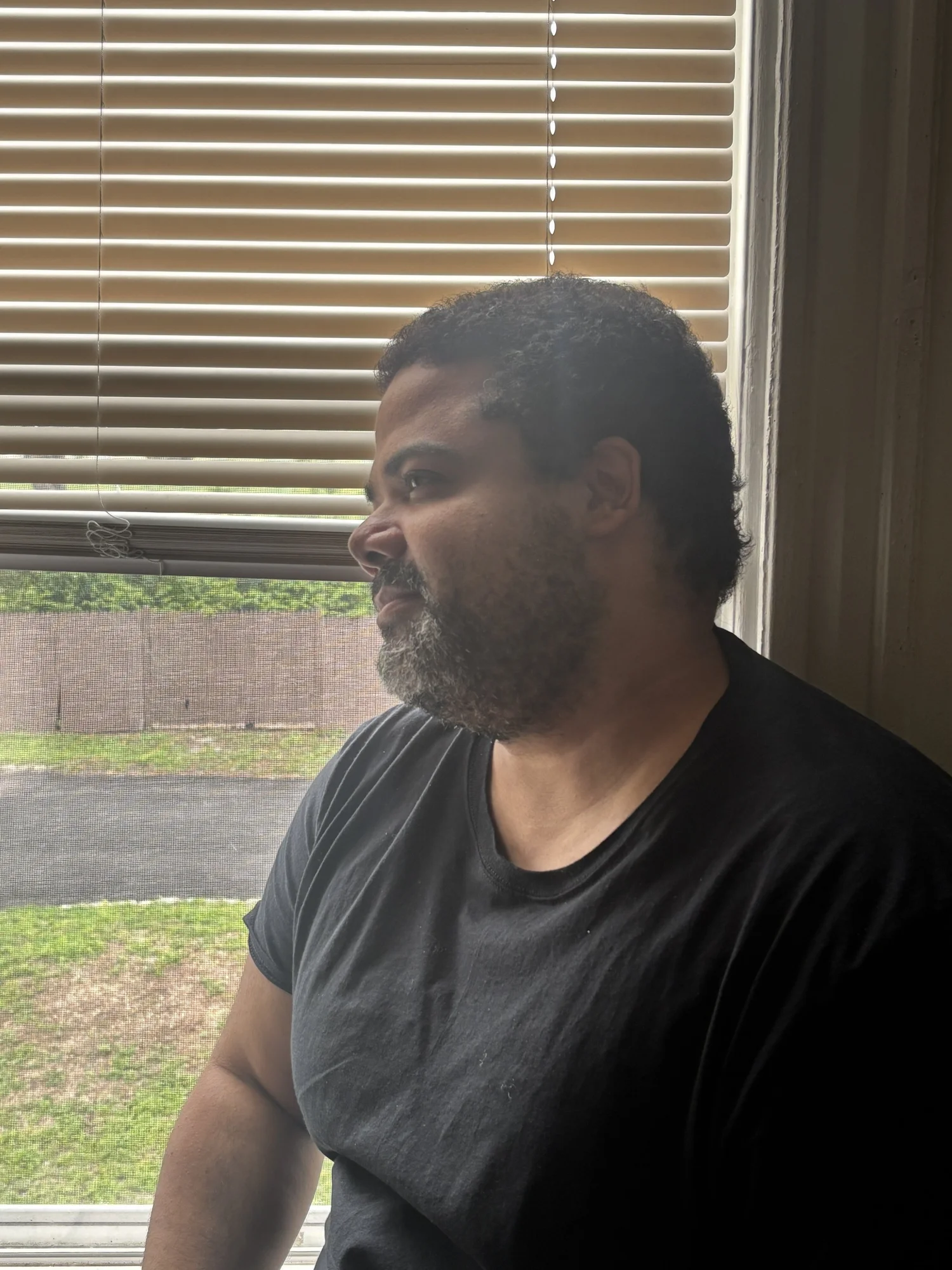
04 THE PERSON BEHIND THE PENCIL
I know what it means to care about a sentence. I’m a writer, too.
I’m Keelan Watlington, an independent writer and editor from Long Island, New York. My own work moves between poetry, fiction, and essays. I’m the author of Gleamings and Long Beach, and my poetry has appeared in Danse Macabre.
I studied Latin and Ancient Greek at Bard College at Simon’s Rock. That background in Classics, alongside music theory and a long life of reading, shapes how I approach a page: with an ear for rhythm, a respect for ideas, and a belief that form and meaning belong together.
When I work on your manuscript, I bring that same attention to your intentions.
Explore my literary workTo make the writing stronger
without making it less
distinctly yours.
THE PRINCIPLE BEHIND EVERY EDIT
05 WORKING TOGETHER
One writer. One editor.
A shared investment in the work.
Tell me what you’re writing, who it’s for, and what feels unresolved. A short excerpt, word count, and ideal timeline give us a useful place to begin.
We discuss the kind of editing your manuscript needs and agree on scope, timing, and cost. You know what we’re working toward before the work starts.
I read closely, edit with intention, and explain the decisions that matter. You have a considered revision and a clearer understanding of your own manuscript.
A FEW PRACTICAL THINGS
Academic papers and scholarly manuscripts; fiction, poetry, and creative nonfiction; books and long-form projects; and research-intensive writing in history, philosophy, literature, and the humanities. I also work on book descriptions, back-cover copy, and synopses.
That’s a useful first conversation. Tell me where you are in the writing process and share a representative excerpt. We can discuss whether your work needs a final proof, a close sentence edit, or a broader look at its structure.
My current listed Upwork rate is $40 per hour. The scope depends on your word count, the state of the draft, and the level of editing. We’ll discuss the work and agree on the arrangement before beginning.
My aim is to understand and strengthen it. I pay attention to your diction, rhythm, audience, and intentions, and make changes in service of those things. Larger editorial decisions are part of a conversation with you.
Send me a message on Upwork with a little about your project, its approximate length, your timeline, and what you’d like help with. If you aren’t sure how to describe it, the brief builder below can help.
06 A GOOD PLACE TO START
A promising draft. A difficult chapter. An idea that needs words. I’d like to hear about it.
Start a conversation on UpworkOr put a few thoughts together with the brief builder.
No polished pitch required.